How Much Does a Headless Shopify Storefront Cost in India? (2026 Pricing & ROI Breakdown)

A transparent 2026 pricing breakdown of headless Shopify storefront costs in India — from ₹4.5 lakh builds to hidden recurring fees — plus the exact GMV threshold where the ROI actually pays off.
Here's a number that stops most founders cold: rebuilding your Shopify storefront as a headless (decoupled) frontend in India lands anywhere between ₹4,50,000 and ₹28,00,000. That spread isn't vendor greed — it's the difference between bolting a Next.js skin onto Storefront API and architecting a full composable commerce stack with edge caching, CDN-level personalization, and a fully custom checkout.
I've scoped over 40 headless migrations. Most founders massively underestimate the hidden operational cost and wildly overestimate the SEO windfall. Let's break the real numbers down.
What Is a Headless Shopify Storefront (And Why It Costs More)?
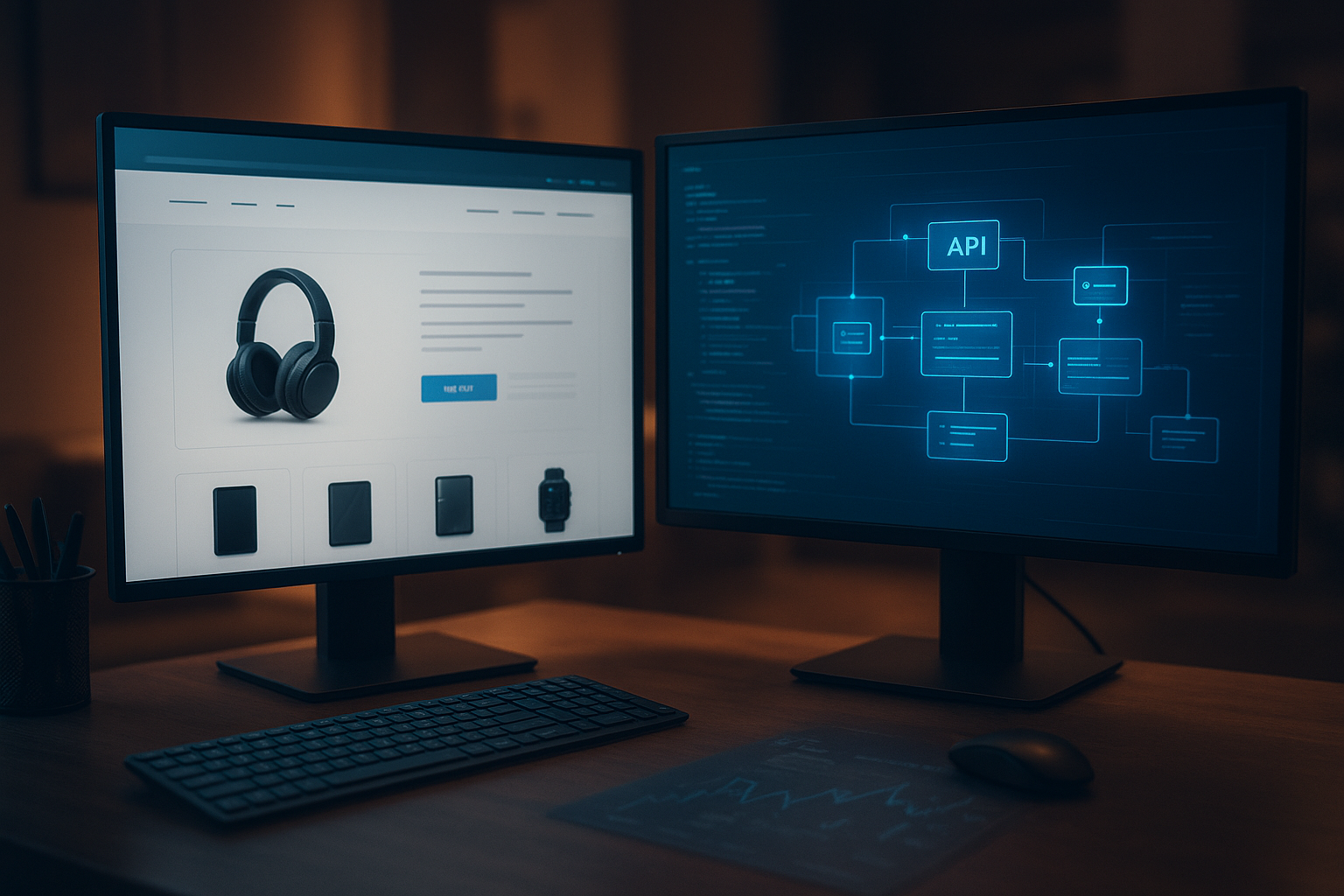
A headless Shopify storefront decouples the frontend from Shopify's Liquid theme engine, pulling product and cart data through the Storefront API into a custom framework like Next.js, Remix, or Hydrogen. You keep Shopify as the commerce backend while owning the entire presentation layer.
This buys you sub-second loads and pixel-perfect design freedom. It also triples your maintenance surface — you now own hosting, build pipelines, and API rate-limit management that Shopify used to handle silently.
Pro Tip: If your store does under ₹50 lakh in annual GMV, headless is almost certainly premature optimization. A well-tuned Liquid theme hits 90+ Lighthouse scores at a fraction of the burn.
Headless Shopify Pricing Breakdown (2026 India Rates)
Here's the transparent cost structure Indian agencies actually quote, broken by build tier:
- Starter Headless (Hydrogen + Oxygen): ₹4,50,000 – ₹8,00,000. Uses Shopify's own React framework and hosting. Fastest path, least custom.
- Mid-Tier Composable (Next.js + Vercel): ₹9,00,000 – ₹16,00,000. Custom design system, ISR caching, CMS integration (Sanity/Contentful).
- Enterprise Composable: ₹17,00,000 – ₹28,00,000+. Multi-region edge, custom checkout extensibility, A/B infrastructure, headless CMS + PIM.
Beyond the build, budget for recurring costs most quotes bury in the footnotes:
- Shopify Plus (required for custom checkout): ₹1,90,000+/month
- Hosting/CDN (Vercel/Netlify Enterprise): ₹15,000 – ₹90,000/month
- Headless CMS licensing: ₹8,000 – ₹40,000/month
- Ongoing dev retainer: ₹40,000 – ₹1,50,000/month
Warning: That "₹4.5 lakh" starter quote can balloon 40% once real-world dependency drift and package upgrades hit month three. Always demand a 12-month total cost of ownership sheet, not a one-time build price.
What Actually Drives Your Headless Build Cost?
Four variables swing your invoice more than anything else:
- Checkout customization. Shopify locks checkout unless you're on Plus. Custom checkout extensions add ₹3–6 lakh alone.
- Content complexity. A blog, lookbooks, and editorial pages need a CMS layer and API orchestration.
- Rendering strategy. Getting SSR/ISR right without hydration mismatch whiplash eats senior engineering hours.
- Personalization depth. Geo-pricing, logged-in recommendations, and segment-based content multiply data-fetch logic.
In a recent build for a Mumbai D2C skincare brand, checkout extensibility and a Sanity CMS layer alone accounted for 58% of the ₹14 lakh total — the "design" everyone obsesses over was under 20%.
The Real ROI: When Does Headless Pay for Itself?
Headless justifies itself only when page-speed gains convert into measurable revenue lift. The math is brutal and specific.
Cutting Largest Contentful Paint from 3.8s to 1.2s typically lifts conversion by 7–12% on mobile. For a store doing ₹5 crore GMV at 1.8% conversion, a 9% relative lift means roughly ₹45 lakh in incremental annual revenue — which recovers a ₹14 lakh build inside four months.
Below ₹1.5 crore GMV, that same speed win generates maybe ₹9 lakh yearly. Against ₹3+ lakh in annual recurring hosting and dev costs, the payback window stretches past 18 months. That's when headless becomes a vanity architecture, not a growth lever.
Pro Tip: Before committing, run a 30-day speed audit on your current Liquid theme. If you're already at 85+ mobile Lighthouse, headless will barely move your revenue needle — spend that ₹14 lakh on smarter ad targeting instead.
The Hidden Costs Nobody Quotes You
The build price is the down payment. The mortgage is operational.
Headless stores demand a permanent engineering relationship — API deprecations, framework major versions, and security patches don't pause. A neglected headless stack rots faster than a managed theme because unpatched dependencies quietly accumulate in your custom layer.
Factor in SEO migration risk: botched redirects during cutover can vaporize 20–35% of organic traffic for 60–90 days. Budget for a dedicated migration specialist, not a junior dev copy-pasting 301s.
Is There a Smarter, Cheaper Path?
For 80% of Indian D2C brands, the honest answer is a heavily optimized Shopify 2.0 theme costing ₹80,000 – ₹2,50,000. You capture 70% of the speed wins for 15% of the cost and zero recurring engineering drag.
Reserve headless for brands with genuine omnichannel needs, editorial-heavy content, or ₹3 crore+ GMV where fractional conversion gains print real money. Everyone else is buying a Ferrari to commute 2 km.
Conclusion
A headless Shopify storefront in India runs ₹4.5 lakh to ₹28 lakh upfront, plus ₹3–8 lakh in stealthy annual operating costs. It pays off spectacularly above ₹3 crore GMV and bleeds you dry below it. Anchor your decision to projected conversion lift versus total cost of ownership — never to design envy or competitor FOMO.
Demand a 12-month TCO sheet, run a pre-build speed audit, and budget for the permanent engineering relationship headless quietly requires.
Ready to Scope Your Storefront the Right Way?
Thinking about going headless — or wondering if a razor-fast Shopify theme gets you there for a fraction of the price? At Rs999, we architect conversion-first eCommerce storefronts with transparent TCO breakdowns and no buried recurring surprises. We'll tell you honestly whether headless earns its keep for your GMV.
📞 Phone: +91 8888 589767
✉️ Email: sales@jikut.com
Written by
Vikas Giri
Founder & Content Creator
Related Tags
Frequently Asked Questions
+−Do I need Shopify Plus to go headless?
+−How long does a headless Shopify migration take in India?
+−Will going headless improve my Shopify SEO?
+−Is Shopify Hydrogen cheaper than a custom Next.js headless build?
+−At what GMV does headless Shopify actually pay off?
+−What ongoing costs should I budget after the headless build?
Comments
Loading comments...
Leave a Comment
THERE'S MORE TO READ

How Much Does Instagram Reels Editing Cost in India? (2026 Per-Video Pricing & ROI Breakdown)
A transparent 2026 breakdown of Instagram Reels editing costs in India—from ₹800 raw cuts to ₹8,000 concept-to-post packages—plus the ROI metrics that actually matter.

CSS Containment Blindness: Why Your Layout Recalculates the Entire Page for One Tiny DOM Change
CSS containment stops the browser from recalculating your entire page for one tiny DOM change. Learn how contain and content-visibility slash layout thrashing by 90%+.

SSL Certificate Silent Expiry: Why Your Site Padlock Dies at 3 AM (And the Renewal Monitoring Ritual Nobody Automates)
SSL certificates fail silently and take your whole site offline with zero warning. Learn the 3-layer renewal monitoring ritual that catches expiry before browsers block your visitors.