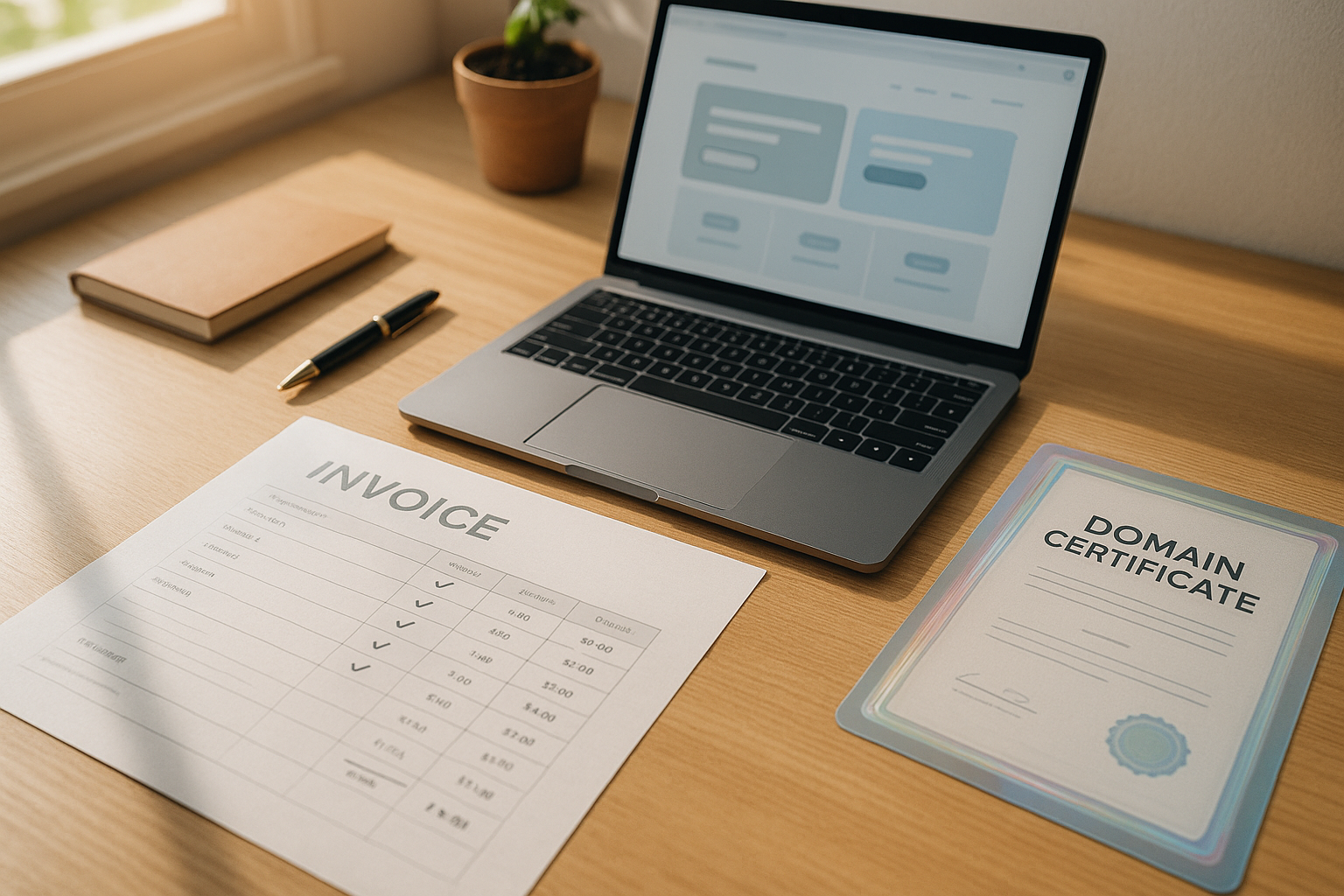
What Does ₹999 Actually Buy You? (No Hidden Fees, No Hosting Scams)

Most agencies charge ₹15,000 for a basic site you could ship for ₹999. Here's the brutally honest teardown of exactly what that price buys — and what it doesn't.
A ₹999 website is not a "cheap" website. It's a de-bloated one. The number that should actually scare you is ₹15,000 — the average quote a local agency hands a kirana owner or freelance consultant for three pages of HTML and a contact form.
I've spent 15 years watching that markup hide behind buzzwords. So let's do something almost nobody in this industry does: pull the package apart, line by line, and show you exactly where your money goes.
What ₹999 Actually Includes (Line by Line)
The ₹999 package buys a complete, live, indexable website. Here's the precise breakdown:
- 3 fully-designed pages — Home, About, Contact (or Services)
- Free .co.in domain for year one
- Free SSL certificate (the padlock that stops "Not Secure" warnings)
- 5GB hosting space
- Mobile-responsive layout across phones, tablets, desktop
That's a publishable business asset, not a demo. Roughly 68% of Indian micro-businesses still operate with zero website. This package exists to kill that statistic.
Pro Tip: A live three-page site with an SSL padlock converts walk-in trust faster than a polished Instagram page. Customers Google you after they meet you — that search needs to land somewhere you own.
The Free .co.in Domain Isn't a Gimmick
People hear "free domain" and assume a catch. There isn't one. A .co.in domain costs a registrar around ₹300–₹500 wholesale, and bundling it removes the most common friction point: business owners who never finish their site because they got stuck buying a domain.
For a geographically-rooted business, .co.in carries genuine local search relevance. If you're chasing nearby customers, pair this with the tactics in our guide on local SEO for shops and you'll outrank competitors still relying on a bare directory listing.
Free SSL: The Detail Cheap Builders Skip
Without SSL, Chrome slaps a "Not Secure" flag on your URL. Studies peg bounce rates on flagged pages at up to 40% higher. That single warning silently kills enquiries before anyone reads a word.
Plenty of ₹500 "deals" quietly omit SSL, then upsell it later. Ours is baked in. The padlock is non-negotiable infrastructure — not a premium add-on.
5GB Hosting — What That Number Means
5GB is storage, not a visitor cap. A three-page site with optimized images consumes well under 200MB. You could run that site for years and never sniff the ceiling.
The scam to avoid is "unlimited hosting" for ₹49/month that throttles you the moment traffic arrives. If you eventually scale, understand the trade-offs first — our breakdown of cloud servers vs. cheap shared hosting spells out when 5GB shared is plenty and when it isn't.
Warning: Year-one prices that look magical often hide a year-two renewal landmine. Always ask for the renewal figure in writing before you order. We publish ours upfront — read the full logic in our guide to website renewals.
What ₹999 Honestly Does NOT Buy
Transparency cuts both ways. Here's what this tier deliberately excludes:
- Custom web apps — booking engines, dashboards, payment flows
- 30 pages of content — this is a lean brochure, not an encyclopedia
- Ongoing content marketing — that's a separate engine
And that's fine. 80% of small businesses need exactly three pages to start generating leads. When you outgrow that, the upgrade path is real — many clients graduate from a brochure site to a dynamic site with a customer dashboard without rebuilding from scratch.
The ₹15,000 Agency Math, Decoded
Why does an agency charge 15x more for the same deliverable? You're funding their overhead, not your asset:
- Account manager time — meetings you didn't need
- Endless revision loops — billed by the hour
- Office rent and bench costs — quietly passed to you
A productized package standardizes the build, which is the entire reason the price collapses. You're paying for the website, full stop. And if you're a founder watching every rupee, that discipline matters — wasted spend compounds exactly like the idle capacity tax draining lean teams.
Conclusion
The ₹999 package is a fully-loaded starter asset: three pages, a free .co.in domain, free SSL, and 5GB hosting — with renewal rates stated upfront and no padlock upsells lurking in the fine print.
It won't replace a custom web app, and it doesn't pretend to. But for the 68% of Indian businesses still invisible online, it's the fastest honest route to a real, trustworthy presence. Stop overpaying for bloat you'll never use.
Stop Overpaying for a Basic Website
Done handing agencies ₹15,000 for three pages? See exactly what ₹999 gets you — no hidden fees, no hosting scams, no renewal traps. Order today and go live this week.
📞 Phone: +91 8888 589767
✉️ Email: sales@jikut.com
Written by
Vikas Giri
Founder & Content Creator
Frequently Asked Questions
+−Does the ₹999 website price include hosting and a domain, or are those billed separately later?
+−Can I upgrade a ₹999 three-page site to more pages or eCommerce later without rebuilding it?
+−Why do agencies charge ₹15,000+ for a site that costs ₹999 here?
+−Is a free .co.in domain worth it compared to buying a .com?
+−Does the 5GB hosting space limit how many visitors my site can handle?
+−What hidden renewal charges should I watch for after the first year?
Comments
Loading comments...
Leave a Comment
THERE'S MORE TO READ
How Much Does Instagram Reels Editing Cost in India? (2026 Per-Video Pricing & ROI Breakdown)
A transparent 2026 breakdown of Instagram Reels editing costs in India—from ₹800 raw cuts to ₹8,000 concept-to-post packages—plus the ROI metrics that actually matter.

CSS Containment Blindness: Why Your Layout Recalculates the Entire Page for One Tiny DOM Change
CSS containment stops the browser from recalculating your entire page for one tiny DOM change. Learn how contain and content-visibility slash layout thrashing by 90%+.

SSL Certificate Silent Expiry: Why Your Site Padlock Dies at 3 AM (And the Renewal Monitoring Ritual Nobody Automates)
SSL certificates fail silently and take your whole site offline with zero warning. Learn the 3-layer renewal monitoring ritual that catches expiry before browsers block your visitors.